Clogged drains are a common issue for homeowners, often leading to frustration and inconvenience. While many individuals may consider tackling drain cleaning on their own, the reality is that DIY attempts can pose significant risks. Understanding when to step back and call in a licensed plumber is crucial for maintaining the integrity of your plumbing system. This discussion will delve into the potential hazards of DIY drain cleaning, the signs that indicate it's time for professional help, and how to approach plumbing issues effectively.
The Allure of DIY Drain Cleaning
The appeal of handling plumbing issues independently can be understandable. For many, hot water tank installation tackling a clogged drain seems like a straightforward task, one that can save money and avoid scheduling hassles with professionals. YouTube tutorials abound with step-by-step guides demonstrating how to clear minor clogs using household items or basic tools. However, this seemingly simple solution can lead to complications that might escalate into more significant problems.
Homeowners often resort to chemical drain cleaners, believing they are an easy fix. These products can break down clogs quickly but may also cause damage to pipes over time. The harsh chemicals can corrode metal pipes or damage older plumbing systems made from PVC. Additionally, if the clog is deeper within the system—like in the main sewer line—these solutions will not address the root cause.
Understanding Common Drain Issues
Before considering whether to attempt fixing a clogged drain yourself or call a professional, it’s essential to understand common drainage problems and their causes:
Minor Clogs: Often caused by hair, soap residue, or food particles. These can sometimes be resolved with a plunger or a simple snake.
Recurring Clogs: If you find yourself unclogging the same drain repeatedly, there may be an underlying issue such as tree roots infiltrating pipes or a buildup of grease that requires professional assessment.
Slow Drains: A persistent slow drain indicates more than just debris; it could signify deeper blockages or pipe damage.
Foul Odors: Unpleasant smells emanating from your drains can signal trapped organic material or sewage issues requiring immediate attention from emergency plumbing services.
Backups: Water backing up into sinks or tubs is often indicative of serious blockages in the main sewer line and typically necessitates intervention from licensed plumbers.
Identifying these signs early on is critical in preventing further damage and costly repairs down the line.
Risks Associated with DIY Drain Cleaning
While some minor clogs may seem manageable without professional Click for info help, attempting more complex issues without proper knowledge can lead to various risks:
Damage to Plumbing Systems
Improper use of tools like augers or snakes can easily scratch or puncture pipes, especially if they are made from older materials like cast iron or clay. Punctured pipes can result in leaks that require extensive repairs—a scenario no homeowner wants to face.
Chemical Burns and Toxic Fumes
Many commercial drain cleaners contain caustic substances that pose health risks if not handled properly. Spills can lead to chemical burns on skin while fumes may cause respiratory issues if inhaled in poorly ventilated areas.
Wasted Time and Money
A failed DIY attempt often results in spending more time than anticipated trying to resolve an issue that could have been addressed swiftly by professionals. Moreover, costs associated with repairing any self-inflicted damages can far exceed what you would have paid a plumber for initial service.
Lack of Expertise
Plumbing professionals undergo training and certification processes that equip them with skills and knowledge about plumbing systems' complexities—something most homeowners lack. They understand local codes, which ensures compliance during repairs or installations.
Potential Health Hazards
In some cases, blocked drains may lead to sewage backups which are not only unpleasant but also pose serious health risks due to pathogens present in waste materials.
Signs That It's Time for Professional Help
Recognizing when it's appropriate to call in expert help is vital for effective plumbing maintenance:
- Persistent Clogs: When basic measures fail repeatedly. Multiple Fixture Issues: If several fixtures are affected simultaneously—it hints at systemic issues within your plumbing. Unpleasant Smells: The presence of foul odors generally indicates something beyond normal buildup. Visible Damage: Cracks or leaks around fixtures suggest immediate attention is necessary. Old Plumbing Systems: Homes with aging infrastructure should regularly consult experts for maintenance checks rather than relying solely on DIY solutions.
If any of these scenarios arise, contacting a 24-hour plumber who specializes in emergency situations might be your best option.
Choosing the Right Professional
When seeking out plumbing services for drain cleaning needs, here are key factors to consider:
Licensing and Insurance: Always ensure your plumber possesses valid licensing and insurance coverage—this protects you from liability should accidents occur during service.
Experience with Specific Issues: Look for professionals who demonstrate expertise specifically related to your problem (e.g., main sewer line cleaning).
Reputation Among Peers and Clients: Research reviews online or ask friends/family for recommendations—it pays off in finding reliable services rather than risking hiring someone inexperienced.
Transparent Pricing Models: Understanding how pricing works beforehand helps avoid unpleasant surprises when it comes time for payment.
Emergency Services Availability: Choose companies offering 24/7 response capabilities so you know assistance is available even during off-hours if needed urgently.
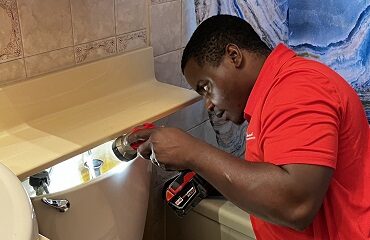
Preventative Measures for Drain Maintenance
While knowing when to call a pro is essential, taking steps towards preventing future clogs also plays an important role in maintaining your home's plumbing integrity:
- Regularly clean out sink traps every few months by removing hair and debris build-up. Place strainers over drains in showers and sinks; this simple addition significantly reduces debris entering pipes. Avoid disposing of grease down kitchen sinks—consider utilizing container disposal instead. Educate family members on what items should not go down toilets (e.g., wipes labeled “flushable” still contribute heavily toward clogs). Schedule periodic inspections by licensed plumbers who provide proactive maintenance strategies tailored specifically toward your home's unique needs.
By implementing these preventive measures alongside understanding when professional intervention becomes necessary ensures greater longevity for both your drainage systems as well as peace of mind regarding home upkeep overall.
Conclusion
DIY drain cleaning may seem appealing initially; however, it often results in complications requiring professional intervention ultimately costing more time and money than if tackled correctly from the start by experienced plumbers equipped with necessary tools required resolving complex situations effectively while ensuring safety throughout each process involved therein too! Stay informed about potential risks associated with self-service repair methods while prioritizing regular maintenance practices aimed at preserving overall functionality across all aspects related directly back toward residential plumbing systems today!