Home plumbing systems often operate quietly behind the scenes, yet they play an essential role in daily life. Most homeowners don’t think about their plumbing until a problem occurs, such as a leaky pipe or a clogged drain. Unfortunately, by then it may be too late for cost-effective fixes. Preventative plumbing maintenance is crucial for avoiding these issues and can save significant amounts of money and time down the line.
Understanding the importance of preventative maintenance means recognizing that small issues, if left unchecked, can escalate into costly repairs or even complete system failures. A well-maintained plumbing system not only ensures reliable service but can also enhance your home’s value. Let’s explore some effective strategies for maintaining your plumbing system while examining the various benefits of being proactive rather than reactive.
The Benefits of Preventative Plumbing Maintenance
One of the most compelling reasons to engage in regular plumbing maintenance is financial savings. Emergency plumbing repairs often come with premium costs due to their urgent nature. By implementing a routine inspection schedule, homeowners can catch potential problems early, which often translates to lower repair bills. Additionally, many licensed plumbers offer annual maintenance plans that provide discounted rates on services when you sign up.
Another advantage is water efficiency. Older pipes or fixtures can leak or waste water without any visible signs until they cause significant damage or inflate your utility bills. Regular inspections help spot leaks and allow for timely leak repair, thereby conserving water and cutting down expenses.
Moreover, preventative maintenance contributes to safety and comfort within the home. Clogged drains or malfunctioning hot water tanks can lead to unsanitary conditions or even health risks if not addressed promptly. An emergency plumber may be necessary in such situations, but regular checks minimize these risks by keeping everything functioning smoothly.
Finally, consistent maintenance prolongs the lifespan of your plumbing systems. This includes pipes, fixtures, and appliances such as water heaters and boilers. Caring for these components regularly reduces wear and tear and helps identify areas needing replacement before they fail entirely.
Key Areas for Routine Maintenance
To effectively maintain your plumbing system, focus on several key areas that are prone to issues:
1. Pipe Inspections
Regularly inspecting pipes helps catch leaks early before they become severe problems requiring extensive pipe repair or even pipe replacement. Look for signs of corrosion or dampness around joints and fittings; these could indicate potential leaks.
2. Drain Cleaning
Clogs are among the most common issues faced by homeowners. Scheduling professional drain cleaning at least once a year can help prevent backups caused by food debris, hair accumulation, or tree roots invading sewer lines—a situation where rooter services might be necessary if traditional methods fail.
3. Water Heater Maintenance
Both hot water tank installation and water heater repair require attention over time due to sediment buildup that can affect performance and efficiency. Flushing your tank annually helps extend its lifespan while ensuring optimal operation.
4. Sewer Line Inspections
A main sewer line cleaning every few years is essential to avoid sewer backups that could lead to hygienic concerns in your home. Signs like slow drains or gurgling noises from toilets may indicate a blockage requiring immediate attention.
5. Boiler Service
For homes utilizing boilers for heating needs—especially in colder climates—regular boiler installation checks and boiler maintenance are vital for ensuring safety and efficiency throughout those winter months.
How Often Should You Schedule Maintenance?
The frequency of preventative plumbing maintenance varies based on several factors including the age of your system, local conditions like hard water presence or tree root proximity, and personal preferences regarding upkeep levels.
As a general guideline:
- Annual Inspections: Ideal for most residential settings Semi-Annual Checks: Recommended for older homes or those with complex systems Quarterly Reviews: Beneficial if experiencing frequent issues
Consulting with a licensed plumber will provide tailored advice based on your specific circumstances.
What to Expect During a Plumbing Inspection
When you schedule an inspection with emergency plumbing repair a professional plumber, expect them to conduct thorough checks across various components of your plumbing system:
- Visual Examination: Inspecting accessible pipes for signs of wear or damage Pressure Testing: Ensuring pipes maintain appropriate pressure levels without leaks Fixture Functionality: Checking faucets, toilets, and other fixtures for proper operation Water Quality Assessment: Testing waters from sources like taps and hoses for contaminants Drainage Evaluation: Assessing flow rates in sinks and tubs to prevent future clogs
By understanding what happens during an inspection process, you can prepare adequately while knowing what questions to ask about specific concerns affecting your home’s plumbing system.
DIY Plumbing Maintenance Tips
While many aspects require professional attention from licensed plumbers—particularly those involving complex repairs—homeowners can perform simple tasks that contribute positively toward their overall plumbing health:
Monitor Water Pressure: Use a gauge available at hardware stores; excessive pressure could strain pipes.
Inspect Hose Connections: Check washing machine hoses regularly for bulges or cracks that may lead to leaks.
Clear Drains Regularly: Use natural solutions like vinegar baking soda instead of harsh chemicals.
Know Your Main Shut-Off Valve Location: In emergencies like burst pipes knowing how quickly you get control over water flow is crucial.
Keep Records: Document all repairs done along with dates; this helps track recurring problems over time efficiently.
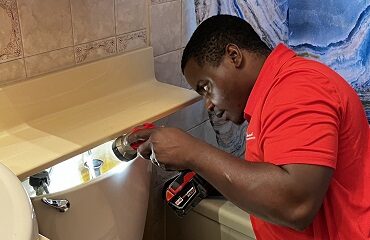
These practices empower homeowners while providing additional insight into when it might be time to call in professionals.
When is Emergency Plumbing Necessary?
Despite best efforts at preventative measures unforeseen circumstances may arise where emergency plumbing becomes unavoidable—whether due to sudden pipe bursts during winter freezes or overflow caused by heavy rains leading into sewer backup situations requiring prompt action from specialized rooter services.
Recognizing these scenarios minimizes damage risk while emphasizing importance surrounding quick response times provided by 24/7 plumber services capable of addressing urgent needs outside normal business hours—keeping both peace-of-mind intact alongside property integrity intact amidst stressful moments!
Choosing the Right Plumbing Partner
Selecting an experienced residential plumber is paramount when it comes down not just fixing immediate problems but also ensuring proactive strategies keep systems running smoothly long-term!
When vetting potential candidates consider:
- Their licensing status - guarantees adherence towards industry standards Customer reviews - reflect real-life experiences others had previously encountered Service offerings - check if they provide comprehensive options including emergency services Warranty coverage - protects investments made towards installations completed
Investing time into finding qualified experts pays dividends later through minimized disruptions brought forth unexpected malfunctions arising within homes everywhere!
By taking charge through effective preventative measures combined alongside informed choices regarding partnerships throughout ongoing care processes homeowners significantly reduce risks associated with major failures while enjoying long-lasting reliability found within well-maintained systems designed serve them faithfully day-to-day!